Blog

What Are Aluminium Sliding Doors?

What Are Aluminium Sliding Doors?

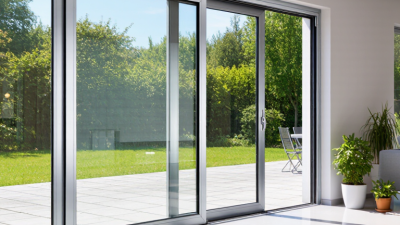
Aluminium Sliding Doors are large glazed door systems that move horizontally along tracks, rather than opening into a room. Their slim aluminium frames support wide glass panels, creating clear views and smoother connections between indoor and outdoor spaces. In a typical installation, one panel slides behind another, leaving more usable floor area near sofas, dining tables, or narrow balconies. Their appeal is practical, not merely visual. Aluminium offers high structural strength, resistance to warping, and relatively low maintenance compared with many traditional frame materials. Thermal breaks and double or triple glazing can also improve insulation, although performance depends on the complete system, installation quality, glass specification, and local climate. The U.S. Department of Energy identifies windows and doors as important contributors to building heat gain and heat loss, so a stylish frame alone does not guarantee efficiency. The wider context matters. The International Energy Agency reports that buildings account for about 30% of global energy demand, making envelope performance increasingly important. The International Aluminium Institute also notes that around 75% of all aluminium ever produced remains in use today, reflecting the material’s durability and recyclability. These figures support informed design choices, but they should not be treated as automatic proof of sustainability. Recycling systems differ by region. Some doors still feel stiff. Poor drainage can create trouble. This guide explains how Aluminium Sliding Doors work, where they perform well, and what buyers should examine before installation. Product labels can be confusing, and even experienced renovators may overlook track design, air leakage, or threshold accessibility. That uncertainty deserves attention.
Read more »
Clara By:Clara - October 27, 2026
What Are Thermal Insulated Aluminium Windows?

What Are Thermal Insulated Aluminium Windows?

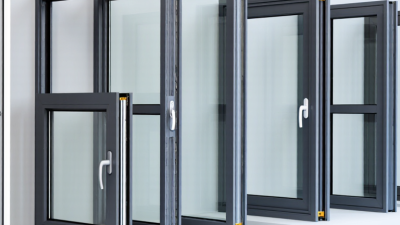
Thermal Insulated Aluminium Windows are designed to reduce heat transfer through the window frame. They use a thermal break, usually made from reinforced polyamide, between the inner and outer aluminium sections. This barrier interrupts the metal’s natural conductivity. The result is a warmer interior frame during winter and a cooler one during summer. Building-science expert Dr. Joseph Lstiburek has stated, “A building is a system.” His observation applies directly to window performance. High-quality glazing cannot compensate for poor installation, damaged seals, or an unsuitable wall connection. A window may have an excellent U-value in laboratory testing. Real-world performance can still fall short. That point is easy to miss. This guide explains how Thermal Insulated Aluminium Windows work, where their energy benefits come from, and what buyers should inspect. We will examine thermal breaks, double and triple glazing, low-emissivity coatings, airtightness, drainage, and frame design. Small details matter. A cold edge near the glass can create condensation on a winter morning. An uneven seal can allow drafts around the sash. Correct fitting, measured insulation values, and careful maintenance therefore deserve equal attention. Aluminium frames also offer strength, narrow sightlines, and long service life, but sustainability claims require reflection. Manufacturing aluminium consumes significant energy, although recycled content can reduce its environmental impact. No window is perfect. The sensible choice depends on climate, orientation, glazing specification, installation quality, and the building’s overall design.
Read more »
Evelyn By:Evelyn - October 19, 2026
10 Best Aluminium Sliding Windows for Global Buyers

10 Best Aluminium Sliding Windows for Global Buyers

Choosing the right Aluminium Sliding Windows is rarely a matter of appearance alone. Global buyers must consider climate, building orientation, glass performance, hardware quality, and local installation skills. A sleek frame may look impressive in a showroom, yet perform poorly beside a windy coastline or under intense tropical sun. Building-science expert Dr. Joseph Lstiburek has often reminded professionals, “Windows are holes in walls.” The statement is brief, but it carries practical weight. Every opening can affect heat gain, air leakage, water control, noise, and indoor comfort. That is why this guide examines ten Aluminium Sliding Windows with a buyer’s daily reality in mind. Details matter. We will look at aluminium alloy strength, thermal breaks, drainage channels, roller systems, locking points, glass options, and finish durability. Coastal buyers may need stronger corrosion protection. Cold-climate projects may require low-e double glazing and carefully sealed frames. High-rise installations demand reliable wind-load data, tested hardware, and qualified installers. Product claims should not stand alone. Independent test reports, warranty terms, replacement-part access, and manufacturer experience offer stronger evidence. Regional standards also differ, so buyers should verify compliance before placing an order. No single window suits every market. That limitation is easy to overlook. A lower-priced model may reduce initial costs but create problems through air leakage, difficult operation, or premature coating failure. This comparison therefore balances design, performance, maintenance, and long-term value. The recommendations are practical, but not absolute. Site conditions can change the final decision.
Read more »
Arthur By:Arthur - October 19, 2026
How to Choose Hinged Aluminium Doors for Your Project

How to Choose Hinged Aluminium Doors for Your Project

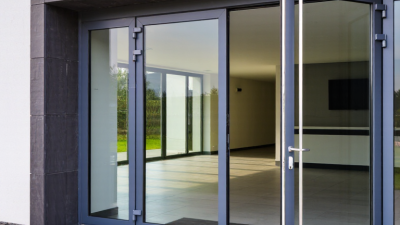
Choosing Hinged Aluminium Doors is not a simple matter of selecting a frame colour. The right door must suit the building, opening size, daily traffic, weather exposure, and available budget. A coastal entrance faces salt air. A busy office doorway needs dependable hinges, strong hardware, and easy operation. These details matter more than a glossy product photograph. Fenestration consultant Steve Cross expresses the principle clearly: “A good door must perform quietly, repeatedly, and honestly.” That practical view should guide every project. Aluminium offers useful advantages, including low maintenance, design flexibility, corrosion-resistant finishes, and slim profiles. However, no material solves every problem. Poor installation can cause draughts, water penetration, uneven gaps, or premature hardware failure. This is where many specifications become too optimistic. This guide examines how to choose Hinged Aluminium Doors with greater confidence. It considers thermal performance, glazing, security, accessibility, weather sealing, hinge capacity, and compliance with local building requirements. Product test results deserve attention, but site conditions deserve equal respect. A door rated highly in a laboratory may perform differently when fitted into a poorly prepared opening. Measure carefully. Ask awkward questions. You should also compare warranties, maintenance requirements, replacement-part availability, and installer experience. These points often disappear during early design discussions. They should not. The best choice is rarely the cheapest door or the most elaborate system. It is the solution that remains stable, safe, comfortable, and attractive after years of daily use. Some decisions will still involve compromise. Recognising that early is a sign of good planning, not failure.
Read more »
Evelyn By:Evelyn - October 19, 2026