0%

Choosing the right Aluminium Sliding Windows is rarely a matter of appearance alone. Global buyers must consider climate, building orientation, glass performance, hardware quality, and local installation skills. A sleek frame may look impressive in a showroom, yet perform poorly beside a windy coastline or under intense tropical sun.

Building-science expert Dr. Joseph Lstiburek has often reminded professionals, “Windows are holes in walls.” The statement is brief, but it carries practical weight. Every opening can affect heat gain, air leakage, water control, noise, and indoor comfort. That is why this guide examines ten Aluminium Sliding Windows with a buyer’s daily reality in mind.

Details matter.

We will look at aluminium alloy strength, thermal breaks, drainage channels, roller systems, locking points, glass options, and finish durability. Coastal buyers may need stronger corrosion protection. Cold-climate projects may require low-e double glazing and carefully sealed frames. High-rise installations demand reliable wind-load data, tested hardware, and qualified installers.

Product claims should not stand alone. Independent test reports, warranty terms, replacement-part access, and manufacturer experience offer stronger evidence. Regional standards also differ, so buyers should verify compliance before placing an order.

No single window suits every market. That limitation is easy to overlook. A lower-priced model may reduce initial costs but create problems through air leakage, difficult operation, or premature coating failure. This comparison therefore balances design, performance, maintenance, and long-term value. The recommendations are practical, but not absolute. Site conditions can change the final decision.
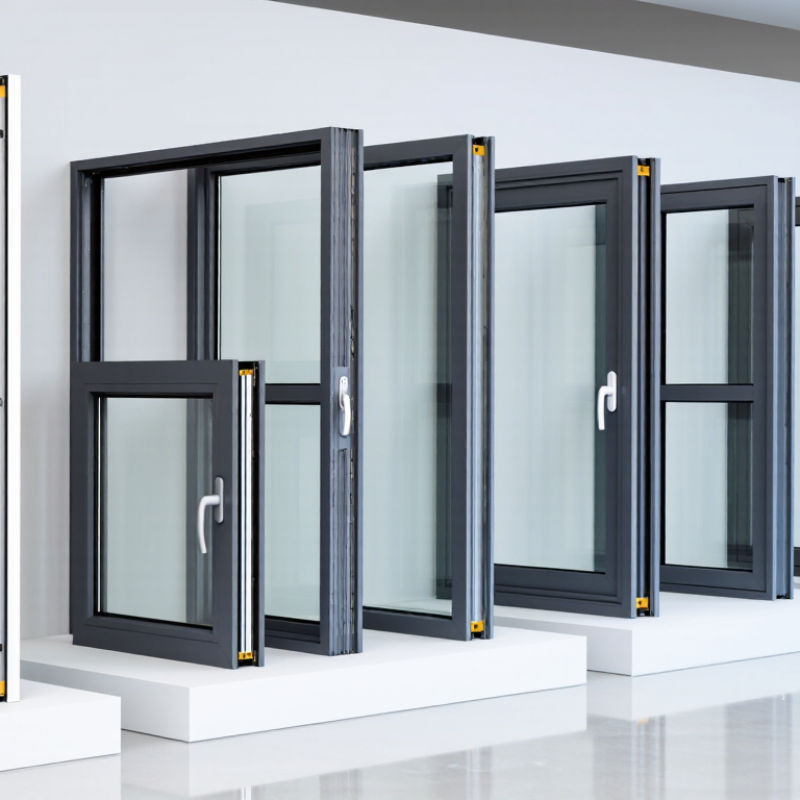
10 Best Aluminium Sliding Windows for Global Buyers

Understanding Aluminium Sliding Windows and Their Operating Systems

Aluminium sliding windows use horizontal movement instead of outward opening. Each sash travels along a track, guided by rollers fitted near the bottom. This design saves interior space and suits balconies, bedrooms, and narrow corridors. During site inspections, I check whether the sash moves evenly with one hand. Rough movement often signals poor alignment, damaged rollers, or debris inside the track.

Operating systems vary by window size and ventilation needs. A single-track system moves one panel, while a double-track system allows two panels to slide independently. A three-track design can create a wider opening, but it needs more frame depth and careful installation. Locking systems should pull the sash tightly against the frame. This improves security and limits air leakage. Brush seals, drainage holes, and thermal breaks also deserve attention, especially in humid or cold climates. Small details matter.

Glass weight affects roller performance. Larger insulated panels may need reinforced rollers and stronger frame sections. Ask for tested load data, not only attractive product photographs. A smooth showroom sample can mislead when the opening is uneven on site. I have seen well-made windows perform poorly after rushed installation. That weakness is worth admitting. Measure the wall opening twice, confirm local wind requirements, and inspect the track after installation. The best aluminium sliding window is not simply the lightest or cheapest option. Its operating system must match the building, climate, glass weight, and maintenance habits of the buyer.

10 Best Aluminium Sliding Windows for Global Buyers

Typical Maximum Panel Weight by Operating System

Panel weight capacity depends on sash dimensions, glazing thickness, hardware, rollers, frame reinforcement, and installation quality. Standard sliding systems are generally suited to lighter panels, while lift-and-slide and heavy-duty multi-track systems support larger glazed openings. The values shown are typical engineering ranges used for preliminary global product comparison and should be confirmed against project-specific test data.

Key Features That Define High-Quality Sliding Window Performance

10 Best Aluminium Sliding Windows for Global Buyers

Key Features That Define High-Quality Sliding Window Performance

High-quality aluminium sliding windows begin with measurable performance, not attractive frames. The 2023 UNEP Global Status Report states that buildings consume about 30% of global final energy. Therefore, glazing and frame efficiency deserve serious attention. Check the U-value, solar heat gain coefficient, air leakage, water resistance, and structural pressure ratings. Lower U-values usually indicate better insulation. However, results depend heavily on installation quality.

Thermal breaks reduce heat transfer through aluminium profiles. Low-emissivity glass can improve indoor comfort near the window. Multi-point locks, stainless-steel rollers, and reinforced tracks support smoother operation over time. Proper drainage is equally important in coastal or rainy climates.

Industry testing under standards such as AAMA/WDMA/CSA 101 and ISO 10077 helps buyers compare performance more reliably. Still, laboratory data cannot fully predict poor site installation. I have seen excellent windows underperform because installers left uneven gaps around the frame.

Tips: Request certified test reports, not only product brochures. Compare whole-window U-values, rather than glass-only figures. Inspect roller movement with the sash fully loaded. Ask about replacement seals and hardware availability in your market. A wider opening is not automatically better. Consider wind exposure, building height, humidity, and cleaning access before selecting a sliding configuration. Also, review the warranty carefully; some coverage excludes coastal corrosion or incorrect installation.

Ten Top Aluminium Sliding Window Options for Global Buyers

For global buyers, ten top aluminium sliding window options serve different climates and building needs. A thermally broken frame helps reduce heat transfer in cold regions. A slimline two-panel design suits apartments with limited wall space. A three-track system creates a wider opening for living rooms. A lift-and-slide model handles heavier glass with smoother movement. An acoustic option supports homes near busy roads. A reinforced frame adds confidence in exposed locations. A corrosion-resistant finish suits coastal air. A low-threshold design improves access between indoor and outdoor areas. A custom-sized unit fits unusual openings. A recycled-aluminium frame can reduce material demand.

In project assessments, I check more than appearance. Frame depth, glass thickness, drainage paths, and roller quality affect daily performance. Ask for air, water, and wind test results, plus thermal data for the complete window system. A well-designed seal should close evenly without excessive force. Rollers should move quietly across a clean, level track. Small details matter. Confirm whether the supplied handle, screen, locks, and flashing match the window specification.

Some attractive systems disappoint after installation. Poor wall alignment can make even a premium window drag. Dark finishes may absorb strong sunlight and increase frame movement. Very large panels can also require more frequent adjustment. Buyers should compare maintenance access, replacement parts, delivery protection, and installer training. Regional weather and building requirements deserve careful review. The cheapest quotation may omit essential drainage or glazing details. That is an uncomfortable point, but ignoring it often creates higher costs later.

How to Compare Windows by Climate, Standards, Design, and Budget

Choosing among the 10 best aluminium sliding windows requires more than comparing catalogue prices. Climate changes the answer. In cold regions, prioritise low U-value, thermal breaks, and insulated glazing. In hot climates, examine solar heat gain coefficient, shading, and ventilation control. The U.S. Department of Energy reports that windows can cause 25–30% of residential heating and cooling energy use. That figure makes glass selection commercially important.

Standards make claims comparable. Ask for tested results under EN 14351-1, ISO 10077-1, or AAMA/WDMA/CSA 101/I.S.2/A440, depending on the project location. Check air leakage, water resistance, wind pressure, and thermal performance. A coastal apartment needs corrosion-resistant finishes and stronger drainage details. A dusty inland house may need tighter seals and accessible tracks. Small details matter.

Budget needs a wider lens. A cheaper frame can bring higher cooling bills, replacement rollers, or difficult maintenance. Compare total ownership cost over ten years, not only the purchase quote. Aluminium is durable, but weak thermal design can reduce comfort near the frame. UNEP’s 2023 Global Status Report states that buildings consume about 30% of global final energy. Still, energy savings depend on installation quality. A perfect window can perform poorly with an uneven sill or unsealed joint. This is where many comparisons fail. I would also question impressive laboratory figures when local workmanship remains uncertain.

Installation, Maintenance, Warranty, and Long-Term Value Considerations

For global buyers, the best aluminium sliding window is not the cheapest frame. It is the system that survives local weather, careful installation, and years of daily use. Specify tested air permeability, water tightness, wind resistance, and thermal transmittance. EN 14351-1 and ISO 10077-1 provide useful European reference points, but local codes still control. Ask for laboratory reports, not sales adjectives. A narrow coastal track can collect salt and sand within weeks. That detail matters.

Installation decides much of the promised performance. The opening should be square, level, and drained before the frame arrives. Use compatible packers, insulated perimeter sealing, and correctly sized fixings. Poor shimming can make rollers drag and seals fail early. The U.S. Department of Energy reports that low-emissivity windows can reduce window-related energy loss by 30–50%. That gain disappears when gaps remain around the frame. I would request measured U-values for the complete window, not the glass alone. This is often overlooked.

Maintenance should be written into the purchase. Vacuum tracks, rinse exposed surfaces, inspect gaskets, and lubricate approved rollers twice yearly. Coastal homes may need more frequent washing. A warranty should separate frame, coating, hardware, glass, and installation coverage. Check who pays for removal and reinstallation. A ten-year promise may exclude labor or salt corrosion. The International Aluminium Institute reports that about 75% of aluminium ever produced remains in use, supporting its circular-value story. Yet replacement hardware and poor recyclability records can weaken that advantage. Keep invoices, installation photos, and service dates. They are boring, but valuable.

10 Best Aluminium Sliding Windows for Global Buyers - Installation, Maintenance, Warranty, and Long-Term Value Considerations

Rank Window Type / Recommended Use Typical Glazing Thermal Performance Weather and Security Features Installation Considerations Maintenance Requirements Typical Warranty Range Long-Term Value Assessment
1 Thermally Broken Lift-and-Slide Window
Best for high-end residential projects
Double or triple insulating glass; low-emissivity coating and argon gas are commonly available Low U-value potential when correctly specified; thermal performance depends on frame depth, glass, spacers, and installation Multi-point locking, adjustable rollers, compression seals, and optional laminated safety glass Requires a rigid, level opening and accurate threshold support; large panels may require lifting equipment Vacuum tracks and clean drainage channels every 3–6 months; lubricate rollers according to the hardware instructions Typically 5–10 years for hardware and frame finish; insulated-glass warranties are often separate Excellent comfort, daylight, and accessibility; higher purchase and installation costs can be justified for large openings
2 Thermally Broken Multi-Panel Sliding Window
Best for wide panoramic openings
Double or triple glazing, including solar-control or laminated options Good to very good insulation potential; more panel joints require careful sealing and alignment Interlocking meeting rails, drainage management, multi-point locks, and optional wind-load upgrades Structural support above and below the opening must be verified; panels should be installed plumb and square Clean tracks, inspect interlocks, and check weather seals twice yearly; replace worn rollers promptly Typically 5–10 years for frame and hardware; finish and glass coverage may differ Strong architectural value and flexible ventilation; operating complexity rises with panel count
3 Standard Thermally Broken Sliding Window
Best all-round energy-efficiency choice
Double insulating glass with low-emissivity coating; triple glazing may be available in colder climates Balanced thermal performance and cost; performance should be compared using whole-window U-value Compression gaskets, keyed or multipoint locking, weep holes, and optional safety glazing Use compatible sill flashing, perimeter sealant, shims, and insulated installation gaps Clean drainage holes and tracks; inspect seals and locks annually Typically 5–10 years for the window system; glass-seal coverage often ranges from 5–10 years Usually the best balance of initial cost, energy performance, availability, and repairability
4 Coastal-Grade Aluminium Sliding Window
Best for marine and high-humidity locations
Double glazing with laminated or impact-resistant glass where required by local codes Moderate to very good performance, depending on the thermal break and glazing specification Marine-grade powder coating or anodizing, corrosion-resistant hardware, robust seals, and enhanced drainage Use stainless or approved corrosion-resistant fixings; prevent contact between incompatible metals Rinse salt deposits with fresh water; avoid abrasive cleaners; inspect coating, fasteners, and drainage regularly Typically 5–10 years for finish and components; coastal exposure may reduce coverage unless specifically included Higher upfront cost can reduce corrosion-related repairs and extend service life in coastal environments
5 Impact-Resistant Sliding Window
Best for hurricane and severe-weather zones
Laminated impact glass or an approved impact glazing system Performance varies widely; laminated glass improves safety and acoustic control but does not replace thermal breaks Engineered frames, reinforced meeting rails, tested locks, and project-specific wind and impact ratings Must be installed exactly to the tested system; anchorage, fastener spacing, and opening reinforcement are critical Inspect locks, gaskets, frame joints, and drainage before each severe-weather season Typically 5–10 years; some components may have separate coverage and required maintenance conditions High life-safety and insurance value where local wind or impact regulations apply; usually not economical for mild climates
6 Acoustic Sliding Window
Best for urban, transport, and commercial environments
Laminated acoustic glass or asymmetric double glazing with sealed airspace Good potential when combined with a thermally broken frame; acoustic and thermal specifications should be evaluated separately Continuous gaskets, tight interlocks, multipoint locking, and carefully sealed perimeter joints Installation must minimize air leakage; gaps around the frame can significantly reduce sound performance Inspect compression seals and moving hardware; clean tracks without damaging acoustic gaskets Typically 5–10 years for frame and hardware; insulated-glass coverage varies by supplier Can improve occupant comfort and productivity; value depends on verified acoustic test data rather than glass thickness alone
7 Slim-Frame Aluminium Sliding Window
Best for daylight and minimalist interiors
Double glazing is common; low-emissivity and solar-control coatings are recommended for exposed façades Potentially moderate to good; narrow sightlines may limit thermal performance if the frame is not thermally broken Concealed or compact rollers, narrow meeting rails, perimeter gaskets, and optional laminated glass Requires precise structural opening dimensions and careful handling to protect slim frame sections Clean tracks and drainage paths; use non-abrasive products on anodized or powder-coated surfaces Typically 5–10 years for frame and hardware; finish coverage should be confirmed for the project environment Excellent visual appeal and daylight contribution; check energy and air-infiltration data before prioritizing appearance
8 Economy Non-Thermally Broken Sliding Window
Best for mild climates and budget renovations
Single glass or basic double glazing, depending on the local market and opening size Lower insulation potential than thermally broken systems; less suitable for extreme heating or cooling conditions Basic rollers, brush seals, drainage holes, and single-point or multipoint locking options Requires effective perimeter sealing and correctly sloped sills to limit water penetration Frequent track cleaning may be needed; inspect rollers, locks, and brush seals annually Typically 2–5 years for hardware and finish; coverage varies considerably by supplier Low initial cost and simple replacement; potentially higher energy and maintenance costs over the building life
9 Top-Hung or Pocket Sliding Window
Best for space-saving interior layouts
Double glazing is generally preferred; glass selection depends on safety, climate, and noise requirements Moderate to good when thermally broken; pocket configurations require special attention to concealed drainage and seals Guided rollers, anti-lift devices, multipoint locks, and protected drainage routes Header or pocket structure must carry the system load; access for future adjustment should be planned Keep concealed channels clear where accessible; inspect anti-lift devices, rollers, and locks periodically Typically 5–10 years for frame and hardware; concealed components may have different service terms Provides excellent space efficiency; future repairs can be more difficult if hardware is inaccessible
10 Commercial Heavy-Duty Sliding Window
Best for offices, hotels, and high-use buildings
Double or laminated insulating glass with solar-control options for large façades Moderate to very good, depending on frame depth, thermal break, glass, and façade design Heavy-load rollers, durable locking systems, replaceable gaskets, and enhanced drainage Coordinate with structural, façade, fire-safety, and accessibility requirements; allow service access Scheduled cleaning and hardware inspection; replace high-wear rollers and seals as part of planned maintenance Typically 5–10 years for system components; commercial contracts may specify separate finish, glass, and hardware terms High durability and maintainability can reduce downtime and lifecycle costs in frequently operated buildings
Comparison note: Actual performance depends on the complete window assembly, including frame design, glass build-up, spacer, seals, hardware, installation quality, exposure, and local building codes. Buyers should request independently tested whole-window U-value, air-infiltration, water-resistance, wind-load, acoustic, and impact data where applicable. Warranty periods shown are typical market ranges, not guaranteed terms.

FAQS

How do aluminium sliding windows operate?

Each sash moves horizontally along a track. Rollers near the bottom guide the movement. They save indoor space.

When is a single-track system suitable?

A single-track system moves one panel. It suits smaller openings, bedrooms, balconies, and narrow corridors.

What does a three-track system provide?

It can create a wider opening. However, it needs deeper frames and careful installation. More space is required.

How can buyers check roller quality?

Slide the sash with one hand. Movement should feel even and quiet. Rough movement may indicate debris, poor alignment, or damaged rollers.

Which glass and frame details affect performance?

Heavy insulated glass may require reinforced rollers and stronger frame sections. Ask for tested load information, not only photographs.

How do sliding windows improve indoor comfort?

Thermal breaks reduce heat transfer through aluminium frames. Low-emissivity glass can improve comfort near the window. Whole-window insulation data matters.

What should buyers inspect in wet or coastal climates?

Check drainage holes, seals, finishes, and corrosion resistance. Rainwater needs a clear exit path. Small drainage details matter.

Does a wider opening always mean a better window?

No. Wider panels can weigh more and need frequent adjustment. Consider wind exposure, cleaning access, and installation quality.

What installation problems can reduce window performance?

Uneven wall openings can make a good sash drag. Rushed installation may leave gaps around the frame. I have underestimated this before.

What information should buyers request before purchasing?

Request air, water, wind, thermal, and load test results. Confirm replacement parts, maintenance access, warranty limits, and installer training.

Conclusion

This guide explores how Aluminium Sliding Windows work, including their track, roller, frame, and locking systems, while explaining the features that distinguish reliable products from ordinary options. It highlights key performance factors such as smooth operation, thermal insulation, weather resistance, acoustic control, safety, durability, and glass configuration. The article also presents ten practical window options designed for different property types, climate conditions, architectural styles, and budget levels.

For global buyers, the guide offers a clear comparison framework covering regional standards, energy efficiency, coastal or humid environments, design preferences, customization, and overall cost. It also explains essential considerations for professional installation, routine cleaning, hardware maintenance, warranty coverage, replacement support, and long-term value. By evaluating these factors together, readers can select Aluminium Sliding Windows that deliver dependable performance, attractive appearance, comfortable indoor conditions, and lasting value for residential or commercial projects.

Arthur

Arthur

Arthur is a dedicated marketing professional with a strong understanding of the company’s products, customers, and industry landscape. Through a combination of market research, strategic planning, and clear communication, he helps connect the company’s solutions with the people and businesses that......