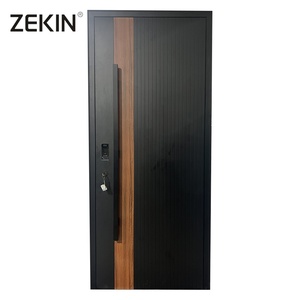
Explore our certified series of thermally insulated window frames, curtain wall panels, heavy-duty sliding hardware, and luxury entrance systems designed to satisfy stringent international building codes.
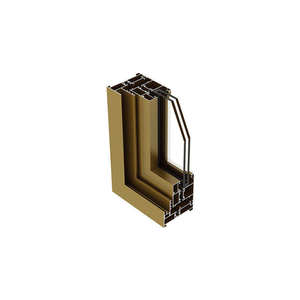
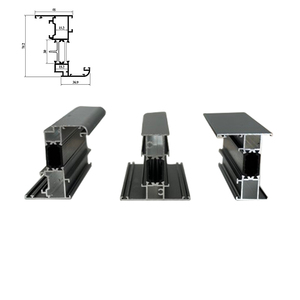
A technical guide to navigating extrusion geometries, structural thermal breaks, and metallurgical integrity when procuring commercial fenestration systems from China.
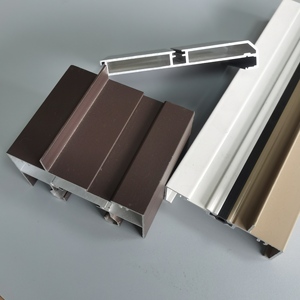
For standard high-rise curtain wall mullions and commercial structural windows, the industry benchmark is 6063-T5 or 6063-T6 virgin aluminium billet. Where severe wind shear and extensive dead-load conditions dominate, specify 6061-T6 or 6005A alloys to guarantee ultimate tensile yield strengths exceeding 240 MPa without unnecessary perimeter mass.
Ensure that all imported profiles utilize polyamide PA66 GF25 (25% glass fiber reinforced) structural thermal insulation strips crimped with knurled mechanical interlocks. Avoid cheap PVC co-extrusions which degrade under cyclic solar heat gain, compromising both air permeability and sound transmission classifications over time.
For high-UV, coastal, or aggressive industrial microclimates, mandate fluorocarbon PVDF 2-coat or 3-coat architectural finishes complying with AAMA 2605 or high-micron hardcoat anodizing (Class I, 18-25μm). These chemically inert barrier coats stop filiform oxidation and color shifting in demanding environments.
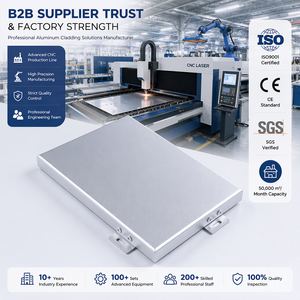
Sourcing architectural glazing packages requires comprehensive supply chain accountability. From pre-engineering CAD/BIM collision modeling to finite element stress analysis (FEA), our fabrication process strictly mitigates risk on overseas job sites.
Every fenestration bundle undergoes multi-stage factory acceptance tests (FAT), including water tightness, static air deflection, and cyclic hardware testing before crating.
| System Specification | Standard Commercial | Heavy Architectural / High-Rise |
|---|---|---|
| Alloy Composition | 6063-T5 Structural | 6063-T6 / 6061-T6 High Strength |
| Profile Wall Thickness | 1.4 mm – 2.0 mm | 2.0 mm – 3.5 mm Reinforcement |
| Thermal Insulation | 14.8 mm – 24 mm PA66 | 24 mm – 35.3 mm Multi-Chamber PA66 |
| Air Permeability | Class 3 (EN 12207) | Class 4 / AAMA CW Tier 1 |
| Water Tightness | Class 7A (300 Pa) | Class 9A / E1200 (>1200 Pa) |
| Glazing Tolerances | Double Insulated (24mm) | Triple Insulated Low-E / Vacuum (42mm+) |
How the convergence of decarbonization mandates, building automation, and ultra-narrow architectural sightlines is reshaping international fenestration manufacturing.
Global procurement teams across Europe, North America, and Australasia are prioritizing suppliers capable of providing Environmental Product Declarations (EPDs). Sourcing profiles manufactured with hydroelectric green energy smelters drastically reduces Scope 3 embodied carbon footprints, satisfying rigorous LEED v4 and BREEAM certifications.
Architectural demand leans heavily toward concealed window sashes and micro-interlock sliding configurations (sightlines under 20mm). This requires advanced high-modulus internal steel reinforcements and structural silicone bonding that handle extreme dynamic coastal wind loads while maximizing daylight transmission.
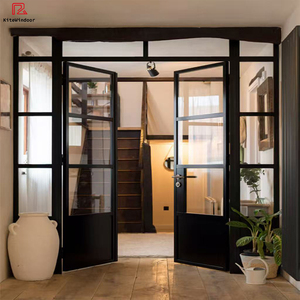
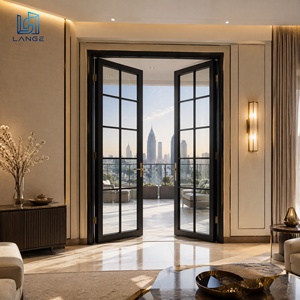
Industrial windows and expansive pivot entry systems are increasingly equipped with integrated micro-actuators, hidden motorized multi-point locks, and magnetic sensors. Connected directly with automated Building Management Systems (BMS), these assemblies optimize natural airflow and cooling cycles automatically.
Critical considerations regarding technical shop drawings, structural tolerances, glass packaging, and customs logistics.
To produce an authoritative structural quotation, we require CAD elevation files, architectural window schedules detailing dimensions, specified glazing configurations (e.g., 6mm Low-E + 12Ar + 6mm Clear), surface coating requirements (RAL color or PVDF spec), local design wind load (kPa), and the targeted discharge port.
Our in-house structural facade engineers calculate wind load deflection using finite element analysis under ASTM E1300, AS 1288, or EN 13830 standards. Mullion inertia values (Ix and Iy) are calibrated against maximum allowable deflection limits (commonly L/175 or L/240) to eliminate glass breakage risks.
Finished windows and profile bundles are protected with non-abrasive PE protective tapes, high-density polyethylene edge guards, waterproof heat-shrink wraps, and enclosed in heat-treated fumigated plywood crates (ISPM 15 compliant). Desiccant packs prevent internal moisture build-up during maritime transit.
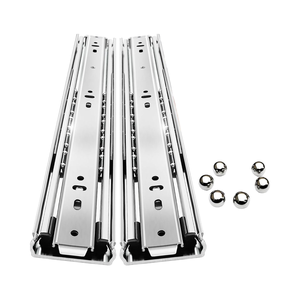
Yes. Our CNC extrusion lines are calibrated to route Euro-groove and specialized architectural gear systems seamlessly. Depending on project specifications, we supply high-grade in-house custom hardware or integrate international brands including Siegenia, Roto, Hoppe, or Sobinco for complete specification compliance.