
Precision-engineered geometric profiles, metric structural channels, modular T-slot assemblies, and high-performance architectural profiles supplied to tier-1 builders, façade fabricators, and automation integrators worldwide.
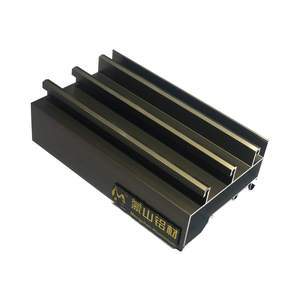
Precision miter and linear cutting with micron-level tolerances. Features Qualanod-certified anodized surface treatment engineered to eliminate surface micro-cracking during perimeter envelope and enclosure fabrication.
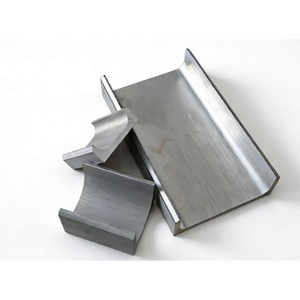
Heavy-duty structural U-channel profiles providing exceptional load capacity, torsion stability, and precision base track calibration for commercial glazing pockets and mechanical framing.
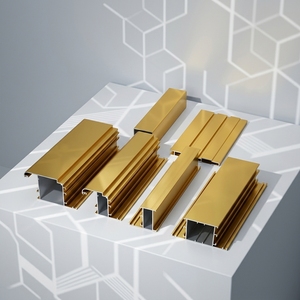
Engineered for extreme atmospheric resilience in coastal and humid climates. Tested to resist salt-spray corrosion and surface scratching under intense mechanical cyclic loading.
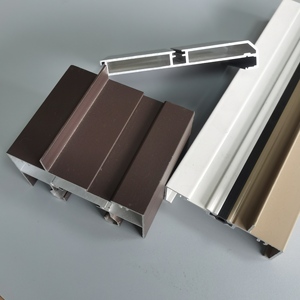
Engineered around modern slim sightlines while maintaining optimal structural deflection resistance. Designed for easy crimping, gasket insertion, and polyamide thermal barrier integration.
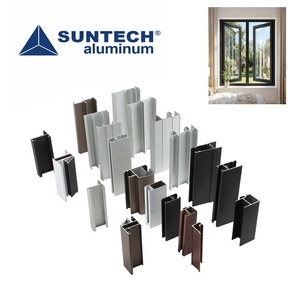
Versatile modular framing profiles with high-tensile internal web designs. Guaranteed structural straightness (≤ 0.5mm/m) for smooth integration into automated assembly lines, workbenches, and industrial enclosures.
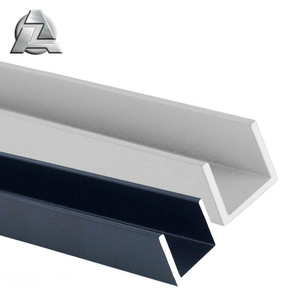
Standard geometric U-channels optimized for container loading efficiency. Available in Class 10 to Class 20 anodizing thicknesses with consistent metallurgical composition for zero color variation across lots.
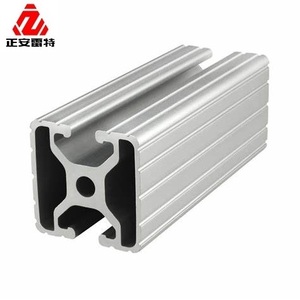
Manufactured in strict adherence to EN 12020-2 dimensional parameters. Ready for CNC tapped ends, counter-bored joining holes, and cleanroom applications with ultra-low carbon footprint smelting verification.
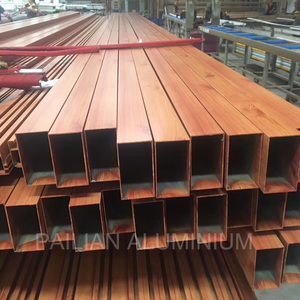
Vacuum heat-transfer sublimation wood-grain profiles that merge the warm visual appeal of natural hardwood with the fire-rated durability, insect resistance, and structural dimensional stability of certified 6063-T5 alloy.
A comprehensive technical reference for architectural specifiers, façade consultants, and procurement managers sourcing CE-certified standard aluminium sections.
| Alloy & Temper | Tensile Strength Rm (MPa) | Yield Strength Rp0.2 (MPa) | Elongation A50mm (%) | Key Engineering Standards | Primary Application Fields |
|---|---|---|---|---|---|
| 6063-T5 | ≥ 160 MPa | ≥ 130 MPa | ≥ 8% | EN 755-2, EN 12020, CE CPR 305/2011 | Curtain walls, window systems, interior partitions, hollow sections |
| 6063-T6 | ≥ 215 MPa | ≥ 170 MPa | ≥ 8% | EN 755-2, ASTM B221, ISO 9001 | High wind-pressure mullions, architectural louvers, commercial framing |
| 6061-T6 | ≥ 260 MPa | ≥ 240 MPa | ≥ 8% - 10% | EN 755-2, ASTM B308, EN 1090-3 | Structural trusses, crane rails, heavy U-channels, automation beams |
| 6005A-T6 | ≥ 270 MPa | ≥ 225 MPa | ≥ 8% | EN 755-2, EN 15088 (CE Structural) | Solar mounting racking, vehicle floor chassis, offshore walkway frames |
Under the Construction Products Regulation (CPR 305/2011) and EN 15088, extruded aluminium profiles used as structural components in buildings must carry full CE conformity. We issue a formal Declaration of Performance (DoP) validating mechanical yield tolerances, chemical purity, and corrosion durability for trouble-free European customs clearance and local council approvals.
While generic industrial extruders conform to relaxed EN 755 dimensional parameters, our standard sections adhere to EN 12020-2 precision micro-tolerances. This guarantees corner-crimping alignment, prevents air and water leakage in architectural gaskets, and minimizes friction during machine automation sliding without requiring secondary CNC milling.
From marine-grade Qualanod Class 15/20 µm anodizing to AAMA 2604/2605 and Qualicoat-certified fluorocarbon (PVDF) powder coats, our profiles withstand severe coastal salinity, high ultraviolet degradation, and urban chemical pollutants while maintaining color consistency across multi-container supply runs.
Key economic, environmental, and technological factors shaping global trade in standard aluminium sections through 2026 and beyond.
The European Carbon Border Adjustment Mechanism (CBAM) requires international exporters to provide documented embedded carbon emissions. We deliver low-carbon aluminium extruded from primary ingots smelted using renewable hydroelectric power, offering audited carbon footprints below 4.0 t CO2e/t Al for full EU green building and ESG compliance.
Rising on-site labor rates in Europe, North America, and Australia are driving a move away from raw 6-meter stock bundles. Leading contractors now procure kit-of-parts standard sections with precision tolerance miter cutting, CNC thermal notch routing, and pre-drilled hardware pockets ready for instant job-site assembly.
Uncertain maritime schedules and tariff shifts require verified billet provenance and lot-level traceability. Modern tier-1 buyers require 3.1 Mill Test Certificates (MTC) linked via QR codes to physical export crates, confirming spectrographic chemical analysis and heat-treatment batch records before vessel dispatch.
Decades of precision extrusion expertise, advanced German tooling, and end-to-end export project management designed to de-risk overseas procurement.
Equipped with computerized CAD/CAM die sinks and extrusion presses ranging from 600 to 3,600 metric tons, we manufacture complex custom cross-sections and thin-wall geometric channels without internal stress concentrations, cooling unevenness, or longitudinal twisting.
Every profile design undergoes finite element analysis (FEA) to verify moment of inertia (Ix, Iy), wind resistance deflection, and joint-stress capacities. We provide comprehensive CAD/BIM shop drawings to eliminate on-site fitting conflicts prior to full-run production.
To prevent salt-air oxidation and transit abrasion, our profiles are individually film-wrapped, separated with non-scratch composite spacers, and secured within solid treated fumigated wooden crates with barcoded opening IDs that match site installation schedules.
Direct technical answers addressing alloy selection, minimum order quantities, testing certifications, and maritime logistics.
Every shipment is accompanied by a Factory Production Control (FPC) verified Declaration of Performance (DoP), an EN 10204 Type 3.1 Inspection Certificate with complete spectrographic chemical analysis and tensile yield testing results, a Packing List organized by opening IDs, and a Certificate of Origin.
Choose 6063-T5 for standard architectural frames, decorative trim, and hollow sections requiring smooth surface finishes and crisp anodizing. Select 6063-T6 for structural curtain wall mullions subjected to elevated wind loads. Specify 6061-T6 for heavy load-bearing structural channels, trusses, and automation frames requiring high shear and tensile strength.
For existing standard metric dies (U-channels, square and rectangular tubes, equal and unequal angles, standard T-slots), the MOQ is typically 500 kg per section. For bespoke cross-sections, new die fabrication requires 7 to 12 working days, followed by sample extrusion approval, with full container-load production completed within 20 to 25 days.
All sections are treated with peelable protective film or interleaved with acid-free wrapping paper. Profiles are strapped in moisture-barrier bundles with silica-gel desiccant packs, packed inside custom-built fumigated plywood cases with corner shock protectors, and loaded into sealed GP or HQ containers with specialized bracing to eliminate transit shift.