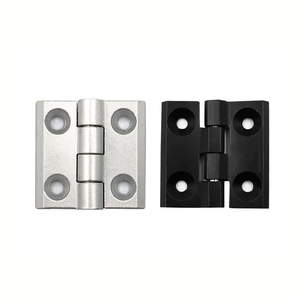

Engineering-Led Structural Precision: EN 12020 & EN 755 Compliant Architectural & Industrial Extrusion Systems for Global Construction
In modern architectural engineering and structural building envelopes, specifying CE-marked aluminium profiles is the cornerstone of regulatory compliance, structural stability, and superior building lifecycle efficiency. As certified manufacturers and turn-key suppliers, we engineer high-performance 6063-T5, 6063-T66, and 6061-T6 alloy extrusion sections built specifically to meet the stringent structural demands of the European Construction Products Regulation (CPR 305/2011) under EN 15088 and EN 12020 tolerances.
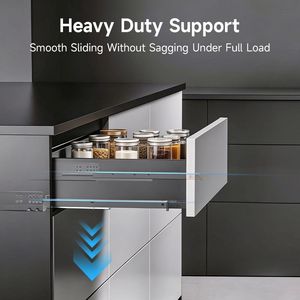

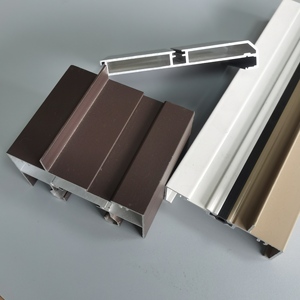
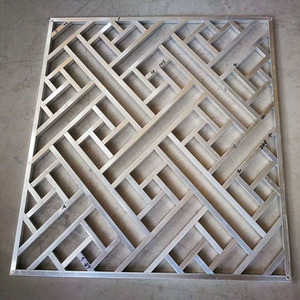
A CE Certificate on architectural profiles is an engineering declaration of performance under the European Standard EN 15088 (Structural products for construction works). Understanding this framework guarantees structural reliability against high wind-loads, dead-loads, and cyclic fatigue.
Factory Production Control (FPC) is audited by Notified Bodies to verify consistent mechanical alloy properties. Yield strength (Rp0.2 ≥ 160 MPa for 6063-T6), elongation percentages (A50mm ≥ 8%), and fracture toughness are methodically tested per batch under strict EN 10204 3.1 certification protocols.
Standard architectural sections frequently follow standard commercial extrusions (EN 755-9), but high-performance curtain walls, pivot structures, and bi-folds mandate EN 12020-2 precision tolerances. This ensures profile angularity, twist tolerances (< 1.2mm/m), and wall thickness tolerances are calibrated within ±0.15mm.
Aluminium sections engineered according to Eurocode 9 (EN 1999-1-1) account for cross-sectional classification (Class 1 to 4) under torsional buckling and local web crippling. This engineering integrity safeguards high-span stick curtain wall mullions against extreme lateral typhoon pressures.
| Alloy & Temper | Tensile Strength Rm (MPa) | Yield Strength Rp0.2 (MPa) | Elongation A50mm (%) | Thermal Conductivity (W/m·K) | Primary Application Area |
|---|---|---|---|---|---|
| EN AW-6060 T66 | ≥ 215 | ≥ 160 | ≥ 8% | 200 – 220 | Intricate thin-wall window profiles with high surface finish |
| EN AW-6063 T5 / T6 | ≥ 175 - 215 | ≥ 130 - 170 | ≥ 8 - 10% | 200 – 210 | Architectural door leaves, bi-fold stiles, sliding window tracks |
| EN AW-6061 T6 | ≥ 260 | ≥ 240 | ≥ 8% | 167 | Heavy structural curtain wall transoms, overhead pergolas |
| EN AW-6082 T6 | ≥ 310 | ≥ 260 | ≥ 10% | 170 | Sub-framing brackets, high-load structural connectors |
B2B buyers, global developers, and project contractors are navigating shifting regulatory terrains and technological leaps. Sourcing strategies are actively transitioning from cost-per-kilogram purchasing to lifecycle-integrated structural sourcing.
With the European Carbon Border Adjustment Mechanism (CBAM) coming into full effect, corporate procurement is prioritizing hydro-powered or scrap-recycled billet extrusions. Future contracts require Environmental Product Declarations (EPDs) documenting embedded carbon under 4.0 kg CO₂e/kg Al (compared to the global coal-fired average of 16-20 kg CO₂e).
Developers are eliminating high destination labor overheads by procuring completely pre-machined, CNC-milled, and pre-gasketed extrusion systems. Export shipments now emphasize barcoded assemblies linked to BIM models, optimizing installation velocity on commercial building envelopes.
Energy codes across Northern Europe, North America, and the Middle East are enforcing tighter envelope values. Procurement demand has centered on PA66 GF25 (polyamide with 25% glass fiber) continuous thermal barriers that enable distinct exterior architectural finishes (PVDF / Anodized) and interior aesthetics (wood-grain / powder coat).
The convergence of metallurgy, multi-axis die casting, and surface engineering has enabled profile geometries that were previously impossible to extrude without structural distortion.
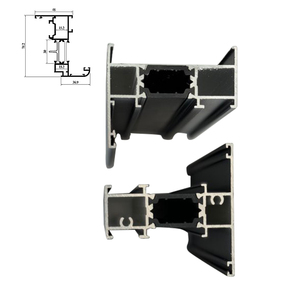
Profiles engineered with internal micro-reinforcement fins deliver extreme moment of inertia (Ix > 120 cm⁴) with sightlines as minimal as 20mm, supporting architectural demand for expansive floor-to-ceiling glass expanses.
By employing vacuum degassing and advanced electromagnetic stirring during the casting phase, trace elements of Fe and Si are controlled. This prevents intermetallic micro-cracks during high-speed extrusion, ensuring pristine structural integrity.
For coastal and marine building applications, profiles undergo a mandatory mechanical pre-treatment (acid etching up to 2.0 g/m²) followed by Seaside-grade Qualicoat Class 2 powder coats or 25-micron anodic oxide films to prevent filiform corrosion.
Modern broken bridge profiles integrate low-density aerogel or polyurethane foams within the polyamide cavity, suppressing convective heat loops and allowing commercial assemblies to comply with Passivhaus standards (Uf < 0.9 W/m²K).
Drawing on an established manufacturing foundation and comprehensive export infrastructure, we safeguard architectural building envelopes against logistical risks, structural discrepancies, and dimensional non-conformity.
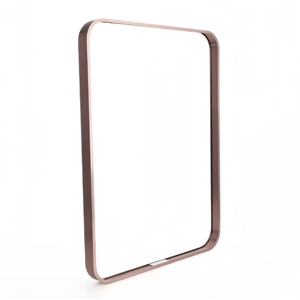
We operate dedicated die-casting and precision EDM wire cutting systems capable of manufacturing custom structural extrusion dies in under 12 days. Whether your project involves oversized structural curtain walls or intricate interior mirror frames, profile geometry is completely tailored to architect specifications.
Unlike raw extruders who subcontract surface finishes and hardware, FAM Aluminium conducts profile extrusion, anodizing, powder coating, PA66 thermal break insertion, CNC milling, and system assembly testing under one continuous roof. One partner holds total quality accountability.
Every extruded length or assembled unit is safeguarded with multi-layer surface protective tapes, anti-scratch foam wrappers, and heavy-gauge plywood ocean crates. Integrated QR-coded piece labels match the master architectural elevation schedules for zero-delay onsite distribution.
Key technical, quality assurance, and commercial considerations addressed directly by our structural engineering and export compliance team.
Every custom extrusion run begins with an optical emission spectrometer verification of the molten alloy's chemical matrix. After extrusion and aging furnace heat-treatment, mechanical test coupons are drawn to confirm compliance with EN 755-2 yield, tensile, and elongation minimums. Test certificates complying with EN 10204 3.1 accompany the official Declaration of Performance (DoP).
Tooling design, flow-simulation analysis, and precision CNC/EDM fabrication of custom profile dies typically require 10 to 14 working days. Initial extrusion samples (with dimensional CMM inspection reports) are dispatched via air courier within 3 to 5 days of die trial completion. Mass production commences within 48 hours of your engineering approval.
Thermally broken aluminium profiles joined via crimped polyamide (PA66 GF25) strips must withstand significant wind and thermal gradient shear stresses. In accordance with EN 14024, our quality control lab conducts transverse tensile strength testing (Q) and shear strength testing (T) across varied temperature conditioning (-20°C, +23°C, and +80°C) to prevent profile delamination.
Yes. We specialize in consolidated B2B project shipments. Contractors and overseas fabricators frequently combine mill-finish structural curtain wall extrusions, powder-coated window frame sections, thermal gaskets, die-cast hinges, handles, and pre-cut glass into unified, labeled 40HQ ocean containers to streamline freight and import customs.
Accelerate your project schedule with certified structural aluminium sections. Submit your architectural CAD files (.dwg/.step) or bill of quantities for direct engineering review, stress analysis, and factory-direct commercial estimates.