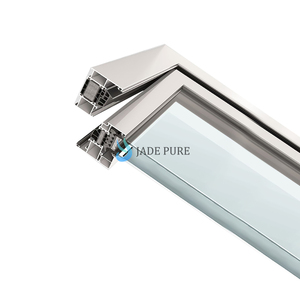

Engineered for high-latitude climatic stress, wind shear deflection, and superior building envelope performance. Discover our premier systems below.
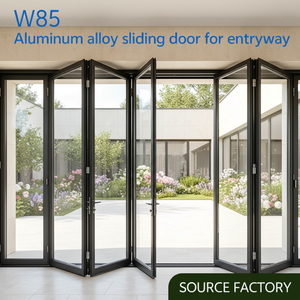
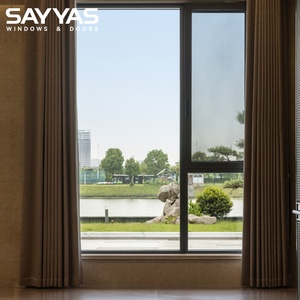
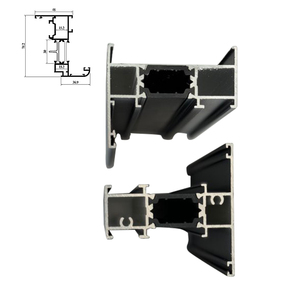
Specifying custom folding door systems (гармошка) in the Greater Moscow Metropolitan Area and the Moscow Oblast demands a departure from standard temperate climate fenestration design. Operating within the intersection of SNiP 23-02-2003 (Thermal Protection of Buildings) and GOST 30970-2014, an exterior glazed folding partition must resist temperature drops falling to -35°C during peak continental winters while handling high summer solar irradiance.
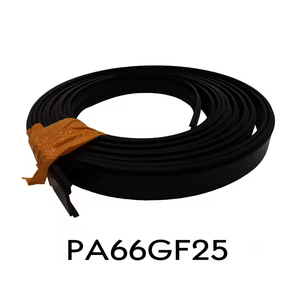
Standard architectural bi-fold doors regularly succumb to thermal bridging, frost crystallization along bottom roller guides, and significant structural deflection due to steep internal-external temperature gradients (ΔT > 55°C). By integrating virgin PA66 GF25 thermal break barriers ranging between 34mm and 54mm, triple-chambered gas fills with Argon/Krypton, and structural dual-warm-edge spacers, custom folding doors preserve internal living comfort and eliminate interior frost buildup.
Furthermore, custom folding doors installed in high-end suburban residences in Rublyovo-Uspenskoye, Novorizhskoye Shosse, and modern penthouse loggias in Moscow City require specialized bottom tracks with built-in drainage channels and concealed low-voltage heating traces to protect bottom roller carriages from freeze-thaw lockups.

A technical assessment of key manufacturers, system fabricators, and custom suppliers operating across the Moscow capital region and Central Federal District.
FAM Aluminium stands at the cutting edge of tailor-made architectural folding assemblies, operating high-capacity CNC extrusion processing centers. Fabricating exclusively to shop-level project specifications, FAM Aluminium incorporates structural PA66 GF25 thermal breaks, triple-glazed IGU solutions with tempered Low-E coatings, and multi-point sealing perimeter gaskets that comfortably beat Moscow SNiP thermal mandates. Renowned for end-to-end site submittal support, custom CAD/BIM detailing, and opening-coded overseas crating.
Operating through a network of certified Moscow-based fabricators, Schüco offers top-tier bifold series such as the ASS 70 FD and the thermally optimized ASS 80 FD.HI. Their systems provide premier air tightness and acoustic insulation, serving as a frequent baseline in ultra-luxury cottage communities along Novorizhskoye Shosse, albeit at premium capital cost thresholds.
A ubiquitous manufacturing powerhouse across the CIS region, Alutech produces the robust ALT BF73 folding door system. Engineered specifically with eastern continental weather in mind, ALT BF73 utilizes wide polyamide strips and high-grade EPDM weather seals, delivering solid structural resistance and localized distribution support throughout Moscow warehouses.
Reynaers maintains a major commercial engineering presence in Moscow, known primarily for the CF 77 (Concept Folding) series. Their assemblies support varied sash dimensions and configurations, including high-insulation (HI) variants designed to preserve thermal boundaries in upscale residential villas and glazed restaurant patios across Central Moscow.
Based in the neighboring Kaluga region and serving Moscow's commercial sector, Realit manufactures high-grade aluminum extrusions. Their architectural portfolio features thermal break folding and sliding systems used frequently in civic developments, public venues, and residential housing projects prioritizing regional sourcing.
Through their Klin production facilities near Moscow, AGC partners with premier custom aluminum door assemblers to provide high-performance architectural glass inserts (Planibel, Stopray). Their multi-functional coatings serve as the backbone for custom bifold doors requiring solar control in July and low emissivity in January.
As one of the largest aluminum extruders in the Russian Federation, Tatprof provides broken bridge systems (such as the TPT-series) fabricated into custom bifold openings by Moscow architectural subcontractors. Known for volume availability, standard powder-coat finishes, and compliance with national GOST requirements.
Specializing in commercial aluminum and PVC profiles, Krauss supplies extruded framing solutions frequently adapted into multi-panel exterior accordion doors for commercial storefronts, suburban retail galleries, and winterized veranda spaces around suburban Moscow.
Vidnal delivers custom architectural aluminum systems designed exclusively for the Russian climate. Their thermally isolated door lines are built to withstand high cycle frequencies and harsh winter freeze-up, making them a common choice among municipal developers and general contractors within the Moscow ring road (MKAD).
A specialized regional Moscow custom fabricator delivering high-precision folding door configurations for bespoke private estates and commercial renovation projects. Working across imported and regional profile lines, they offer custom powder finishes and heavy-weight hardware integration.
Engineered flexibility designed to excel in signature private residences, commercial hospitality terraces, and high-altitude penthouses.
Luxury cottage developments in Rublyovka, Barvikha, and Millennium Park demand large-scale bifold assemblies that open indoor living rooms completely to pine forests and gardens in the summer, while converting to a storm-tight, snow-resistant thermal barrier throughout harsh Russian winters.
Downtown Moscow restaurants and hotels (near Patriarch Ponds, Arbat, and Zaryadye) maximize summer sidewalk seating capacity with flush-threshold folding systems, providing full seasonal airflow while maintaining acoustic and thermal separation during freezing winter months.
High-altitude residences in Moscow City and premium residential towers experience elevated wind pressure loads. Our heavy-duty reinforced bifold structures provide high-load structural resistance (Class C3/B3) and keep drafts, street noise, and particulate matter outside.
Comprehensive performance criteria for architectural aluminum folding door systems specified in the Russian Federation.
| Performance Characteristic | Moscow Regional Metric (Mandatory) | FAM Aluminium Technical Specification | Compliance Reference |
|---|---|---|---|
| Thermal Transmittance (Uw) | ≤ 1.0 W/(m²·K) (Residential SNiP) | 0.82 – 0.88 W/(m²·K) (Triple Insulated Glazing) | GOST 30970-2014 / SNiP 23-02-2003 |
| Polyamide Thermal Strip | Min. 24mm broken bridge depth | 34mm – 54mm Multi-Cavity PA66 GF25 | EN 14024 Structural Integrity |
| Air Permeability | Class 3 minimum required | Class 4 (600 Pa Air Infiltration sealed) | EN 12207 / GOST 26602.1 |
| Water Tightness | Class 7A (300 Pa driving rain) | Class 9A / E750 (Up to 750 Pa resistance) | EN 12208 / GOST 26602.2 |
| Wind Load Resistance | Class B2 – C2 (Urban microclimate) | Class C3 / B4 (≥ 1600 Pa structural design) | EN 12210 / SNiP 2.01.07-85* |
| Acoustic Attenuation (Rw) | Rw ≥ 34 dB (Urban road traffic) | Rw = 42 dB – 46 dB (Acoustic PVB laminate) | EN ISO 717-1 / GOST 23166 |
Three core evolutionary shifts reshaping architectural glazing demand across modern Russian developments.
Facing high markup overhead from multi-tiered domestic distribution agencies, developers and general contractors increasingly order made-to-measure packages direct from primary manufacturing facilities, securing verified mill certificates and substantial savings.
Architects are actively shifting away from high, awkward step-over thresholds. The new standard calls for flush-recessed drainage tracks featuring integrated low-voltage self-regulating heating cables to melt ice and snow without human intervention.
Demand for panels exceeding 3.2 meters in height with ultra-slim mullion profiles (under 115mm visible width) has surged. This requires high-modulus 6060-T66 aluminum profiles capable of managing high structural loads without sash sag or mechanical binding.
Essential guidance on thermal performance, customs clearance, shipping logistics, and site installation.
Condensation occurs when the inner frame surface drops below the interior air's dew point. Our engineered systems prevent this by utilizing wide multi-chamber PA66 GF25 thermal breaks (≥34mm), triple-pane glass units filled with 90% Argon gas, and dual-seal warm-edge spacers. This configuration maintains interior surface temperatures well above the dew point even when outside conditions reach -35°C.
Every commercial order includes complete project shop drawings (CAD/BIM), static deflection calculations, glass stress analysis, thermal transmittance simulations, and material origin mill certificates. This comprehensive data set simplifies sign-off with municipal building authorities and independent engineering consultants.
Yes. Our bifold systems utilize bottom-weighted, four-wheel stainless-steel roller carriages paired with heavy-duty structural hinges rated for up to 400 kg per panel leaf. This heavy-duty capacity allows us to accommodate thick, multi-layer glass compositions (such as 8mm Low-E + 16Ar + 6mm + 16Ar + 8mm Laminated) without causing sash sag, track binding, or uneven operational wear.
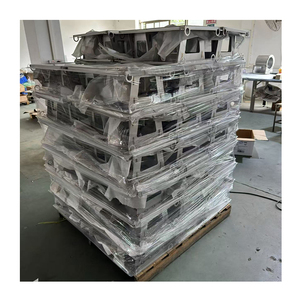
All aluminum frames and structural profiles are wrapped in protective static wrap, fitted with corner edge guards, and encased in high-density foam cushioning. Extrusions and pre-glazed panels are secured within fumigated ISPM-15 compliant timber sea-freight crates. Each crate features individual opening ID numbers keyed directly to the project's site installation drawings.
We recommend Qualicoat Class 2 architectural powder coatings (guaranteed for 20+ years of UV stability) or high-grade PVDF coatings for properties along heavy-traffic corridors. For indoor verandas with private swimming pools, an anodized pre-treatment layer applied prior to powder coating stops filiform corrosion caused by chlorinated air.
Direct engineering authority, uncompromised quality assurance, and project-specific precision for discerning envelope specifications.
We do not maintain rigid, generic pre-cut stock. Every frame, mullion, sash profile, and threshold detail is precision CNC cut, milled, and corner-crimped to the approved shop drawings of your specific project.
Incoming aluminum billets, extrusion wall thicknesses, thermal break crimp shear strength, powder coat adhesion, and final sash hardware functionality undergo structured QC inspections, accompanied by full photographic records.
From early concept review to crated container delivery, your project receives direct, single-point technical management from an assigned façade engineer, eliminating cross-border miscommunication.
Planning an executive villa development, high-rise renovation, or commercial hospitality project in the Moscow region? Send us your architectural drawings, schedules, or target dimensions for a comprehensive engineering review, structural load analysis, and competitive direct-from-factory pricing proposal.