Comprehensive Engineering Whitepaper

Top 10 Contemporary Sliding Doors Factory & Exporters Serving Malaysia

Engineered Architectural Solutions: Wind Load Deflection, Water-Tight Interlocks, and Thermal Break Envelope Performance for Peninsular and East Malaysia

6063-T6 Architectural Alloy Standard
2,000 Pa Cyclonic Water Tightness Tested
U < 1.8 W/m²K Thermal Efficiency
100% Export Crated & Job-Site Tagged
Engineered Fenestration Systems

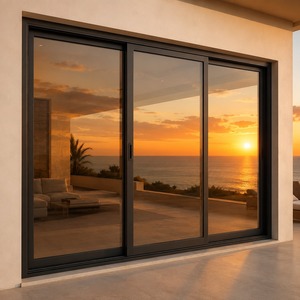
Featured Architectural Aluminum Door & Window Solutions

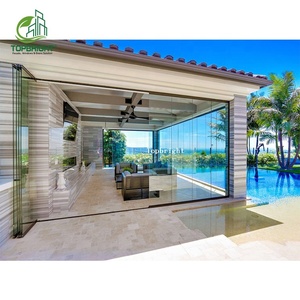
Designed for modern architectural elevations, coastal resorts, and tropical luxury residences across Kuala Lumpur, Penang, and Johor Bahru. Explore structural profiles built for extreme rain resistance, effortless operation, and clean minimalist sightlines.

Tropical Engineering Specifications

Evaluating Contemporary Sliding Doors in the Malaysian Climate

Malaysia poses a distinct dual-challenge for architectural fenestration: extreme tropical solar radiant heat (OTTV criteria) combined with torrential equatorial monsoons accompanied by severe sudden gusting wind pressures.

Solar Heat Gain & MS 1525 Compliance

Standard architectural aluminum frames conduct high thermal energy into air-conditioned interior spaces. Under Malaysia's MS 1525 energy efficiency guidelines, sliding systems engineered with polyamide PA66 nylon thermal barriers and Low-E double glazing cut overall thermal transmittance down to U-values < 1.8 W/m²K, decreasing residential HVAC loads by upwards of 32%.

Monsoon Drainage & High-Pressure Water Sills

Conventional sliding door tracks quickly fill up and overflow during heavy cloudbursts in cities like Petaling Jaya or Georgetown. Our contemporary configurations feature sub-sill cascade pressure-relief weeps, stepped drain heights, and continuous EPDM dual-bulb compression gaskets, achieving laboratory-certified water tightness past 600 Pa to 900 Pa without seepage.

High-Rise Wind Deflection Limits (MS EN 1991)

In high-density developments across KLCC and Mont Kiara, upper-floor installations experience violent localized vortex pressures. Structural multi-cavity interlocking mullions reinforced with internal structural steel liners provide an allowable deflection ratio within L/175 or L/240, ensuring effortless sash gliding even under maximum cyclonic live loads.

Procurement Benchmarking

Engineering Matrix: Chinese Exporters vs. Local Malaysian Assemblers

When specifying architectural sliding doors for Malaysian mid-to-luxury projects, procurement directors balance structural certification, production timelines, and hardware reliability.

Evaluation Parameter FAM Aluminium Factory Export Spec Standard Local Job-Shop Assemblers Global Tier-1 European Brands
Alloy & Tempering ✔ 6063-T6 / 6060-T66 Precision Billet Commercial Scrap Remelt / 6063-T5 6060-T66 Architectural Spec
Wall Thickness 2.0mm – 3.0mm Heavy Structural Spans 1.2mm – 1.6mm Thin Residential 2.0mm – 2.5mm Standard
Glazing Specification 6mm + 12Ar + 6mm Tempered / Low-E / Laminated Single 5mm / 6mm Monolithic Tempered Double / Triple Insulated Low-E
Coastal Coating Treatment Qualicoat Class 2 Powder / PVDF 3-Coat Fluoropolymer Standard Anodized 10–15 microns (Pitting prone) Qualicoat Class 2 / Marine Grade
Hardware & Trolley Rollers German Siegenia / Hoppe / Custom SUS316 400kg Rollers Unbranded Zinc Alloy Rollers (Seize prone) Proprietary European Hardware
Cost vs Lead Time Direct Factory Price | 25-30 Days Sea Door Delivery Moderate Local Price | Unpredictable Stocking 300%-400% Price Premium | 16-20 Weeks Lead
Design Trends 2025–2030

Emerging Fenestration Trends Across Malaysian Architecture

From contemporary bungalows in Country Heights Damansara to seaside resorts in Desaru, modern architects are demanding minimalist profiles that connect interior and exterior spaces.

Ultra-Slim Interlock Sightlines (18mm – 26mm)

Bulky 80mm aluminum frame borders are being replaced with structural glazed slim interlocks. Sashes slide behind pocket walls, yielding unbroken 98% glazed panoramas while passing high structural deflection criteria.

Barrier-Free Flush Sill Architecture

For high-end villas and hospitality penthouses, zero-trip transitions from indoor living rooms to outdoor pool decks are a top requirement. Hidden sub-floor channels allow water to drop straight down into concealed storm drains.

Integrated Stainless Security Mesh

Tropical residential designs require passive natural ventilation during mild evenings without letting in insects or compromising home security. Tri-track sliding frames integrated with high-tensile 304 stainless steel security screens provide both.

Enterprise Capabilities

Why Southeast Asian Specifiers Partner with FAM Aluminium

Shipping large-span custom architectural glazing internationally requires precision structural engineering, dedicated quality controls, and robust export crating that handles container handling with ease.

Shop Drawing Verification

Every single opening is calculated against structural wind load, dead weight, and deflection limits before a single aluminum billet is extruded.

Qualicoat Coastal Testing

Surface treatments withstand standard 3,000-hour neutral salt spray tests, maintaining gloss and resisting chalking in coastal marine atmospheres.

Job-Site Tagged Crating

Units are wrapped in protective polyethylene film, fitted with corner edge protectors, and secured in non-fumigation plywood crates tagged by opening ID.

Site Installation Support

We supply CAD elevation submittals, anchor position diagrams, step-by-step assembly guides, and real-time remote technical support to your contractors.

Three-Stage QC Protocols

Strict quality inspections at every step: dimensional tolerances at extrusion cut, corner joint crimping seals, and functional dry-fit sash operation prior to shipment.

Direct Project Answers

Frequently Asked Questions by Malaysian Architects & Contractors

Answers to key technical, logistical, and import questions for sourcing direct-from-factory aluminum sliding systems into Port Klang, Penang, and Pasir Gudang.

Q1: How do your aluminum sliding doors comply with Malaysian SIRIM and UBBL standards?

Our sliding doors and curtain wall systems are engineered using primary 6063-T6 architectural alloys and safety tempered glazing compliant with BS 6262 and MS 1017: Part 1. Our testing certificates for wind deflection, water penetrability, and air tightness align directly with Uniform Building By-Laws (UBBL) specifications across Malaysia.

Q2: What surface coating do you recommend for projects along coastal areas like Penang, Langkawi, or Johor?

For coastal settings exposed to marine salt spray, we recommend our 3-coat PVDF (Polyvinylidene Fluoride) resin finishes or Qualicoat Class 2 certified architectural powder coats. These coatings retain color stability, resist ultraviolet chalking, and offer over 3,000 hours of continuous salt-spray resistance, significantly outperforming standard anodized profiles.

Q3: Can you ship directly to project sites in Kuala Lumpur, Penang, or East Malaysia (Sabah & Sarawak)?

Yes. We manage FOB, CIF, or DDU (Delivered Duty Unpaid) delivery terms. Shipments clear major entry hubs such as Port Klang (Westport/Northport), Penang Port, and Pasir Gudang, with consolidated 20GP or 40HQ container shipments routed directly to Kuching and Kota Kinabalu.

Q4: How do you prevent internal water overflow during severe monsoon downpours?

Our sliding systems are engineered with a dedicated sub-sill pressure cavity, stepped baffle tracks, and multi-directional concealed drainage weeping valves. Even under high wind pressures (tested beyond 600 Pa), water quickly discharges outward onto external drip ledges rather than backing up inside the living space.

Q5: Can large heavy glass panels be delivered pre-assembled, or are they knocked-down (CKD)?

Standard patio door frames and sliding sashes are pre-assembled and factory glazed for reliable quality control. For oversized units (e.g. leaf heights > 3,500mm or weights > 350kg), we deliver complete knock-down (CKD) outer frames with match-marked corners alongside crated glass panels for straightforward site glazing.

Q6: What lead time should we schedule into our project construction timeline?

Standard production takes 25 to 35 business days following final sign-off on shop drawings and hardware finishes. Ocean transit to Port Klang takes approximately 7 to 12 days, giving developers a complete turnaround from technical approval to jobsite delivery in about 6 to 8 weeks.

Plan Your Architectural Fenestration Package With Our Engineering Team

Whether you are tendering a commercial development, a luxury private residence, or a residential masterplan in Malaysia, our structural design team can review your window schedules, calculate wind load requirements, and propose factory-direct pricing packages.

Get Catalog