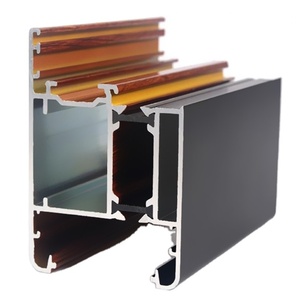
Thermal Break Aluminum Profile for Casement Windows
Multi-chambered polyamide PA66GF25 thermal insulation strip profiles engineered for multi-point compression locks, eliminating flanking acoustic paths and stopping exterior heat ingress.

Engineered for high acoustic dampening (Rw up to 48dB), thermal resistance against equatorial solar radiation, and airtight sealing against monsoon rainstorms.
Multi-chambered polyamide PA66GF25 thermal insulation strip profiles engineered for multi-point compression locks, eliminating flanking acoustic paths and stopping exterior heat ingress.
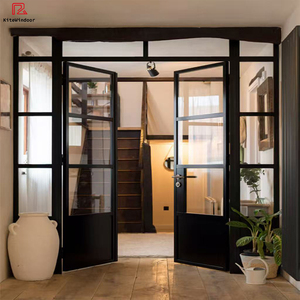
Acoustic laminated tempered glass partition assemblies for commercial suites, luxury residences, and hospitality boardrooms demanding internal speech confidentiality and acoustic attenuation.
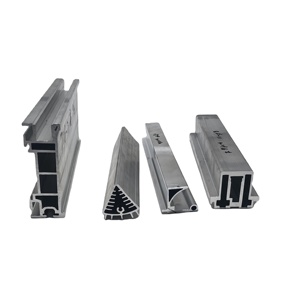
Bespoke structural die-extruded 6063-T6 architectural alloy frames. Custom wall thicknesses engineered to handle seismic stress and support high-mass triple-glazed acoustic packages.
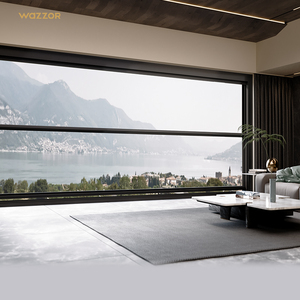
Motorized vertical hung lift systems featuring smart building integration, dual EPDM weatherstripping, and acoustic-damped counterweight chambers for high-end luxury estates and resorts.

Precision CNC-milled and sheet-bent aluminum junction and junction-box enclosures designed to isolate mechanical vibrations and shield electronic components in coastal and industrial projects.
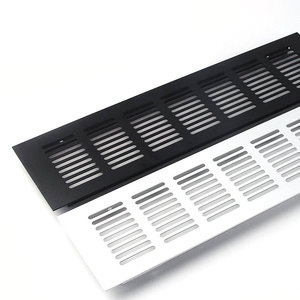
Architectural acoustic louvers and ventilation grilles engineered to facilitate natural passive airflow while integrating interior acoustic baffles that attenuate incoming external airborne noises.
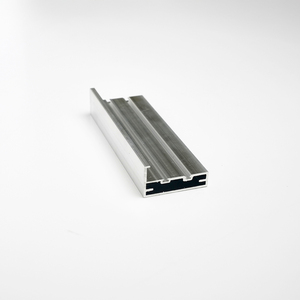
Minimalist, handleless architectural framed glazing systems for seamless contemporary kitchens, balconies, and internal suites, engineered with high-density magnetic and perimeter gasket seals.
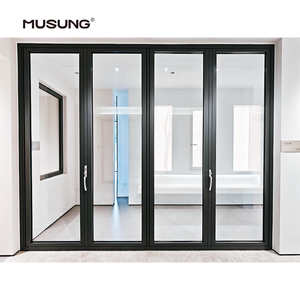
Heavy-duty folding patio systems designed for exposed coastal villas in Guanacaste and the Central Pacific, delivering certified impact hurricane protection, salt-fog resistance, and 45dB noise dampening.
A comprehensive analysis of acoustic decibel attenuation, structural extrusion metallurgy, and building envelope resilience across Central America's most dynamic ecological zone.
Specifying architectural fenestration for modern developments across Costa Rica requires a rigorous, multi-disciplinary approach. Developers, structural engineers, and LEED consultants operating in the Greater Metropolitan Area (Gran Área Metropolitana - GAM), Escazú, Santa Ana, Papagayo Peninsula, and Manuel Antonio face conflicting environmental vectors. Projects must simultaneously conquer severe urban and traffic noise pollution, torrential equatorial rains, intense seismic dynamics governed by the Código Sísmico de Costa Rica (CSCR-10), and aggressive marine salt-fog corrosion.
Conventional single-glazed or basic non-thermal sliding aluminum windows fail rapidly under these conditions. Acoustic failure typically stems from perimeter flanking paths, inferior sash sealing, and resonant vibration across homogeneous glass lites. As a premier direct-factory manufacturer and global project partner, our specialized extrusion plants deliver engineered architectural soundproof systems that combine high-density 6063-T6 aluminum framing, multi-chambered polyamide thermal breaks, and asymmetric acoustic laminated glazing make-ups capable of achieving certified noise reduction indices up to Rw 48 dB (STC 47).
By engineering asymmetric double or triple glazing combinations (e.g., 8mm acoustic laminated exterior + 16mm argon gas cavity + 6mm low-E tempered interior), we eradicate coincidence resonance dips, attenuating both low-frequency urban traffic hums and high-frequency tropical downpour noise.
Integrated PA66GF25 fiberglass-reinforced thermal break strips mechanically isolate the exterior aluminum extrusion from the interior sash profile. This physical interruption halts structural airborne sound transmission through the frame while eliminating indoor condensation risks in humid rainforest and coastal regions.
Acoustic leaks occur wherever air can travel. Our casement, tilt-and-turn, and lift-and-slide doors utilize triple-barrier vulcanized cellular EPDM gaskets with continuous corner vulcanization, securing Class 4 air impermeability (EN 12207) and unmatched weathertightness during tropical storms.
The table below provides empirical technical specifications for commercial developers and specifiers selecting fenestration packages for hospitality, high-density residential towers, and luxury estates in Costa Rica:
| Glazing & Profile Assembly | Acoustic Rating (Rw / STC) | Air Infiltration (ASTM E283) | Water Resistance (ASTM E331) | Target Local Application |
|---|---|---|---|---|
| Standard Non-Thermal Single 6mm | 28 dB / STC 27 | 0.30 cfm/ft² (High Leakage) | 150 Pa | Outdated / Non-Compliant |
| Standard Double Glazed (6 + 12A + 6mm) | 33 dB / STC 32 | 0.12 cfm/ft² | 350 Pa | Suburban San José Standard Homes |
| Thermal Break + Laminated IGU (8.76PVB + 16A + 6mm) | 42 dB / STC 41 | < 0.05 cfm/ft² | 750 Pa | San José Highway Condos / Escazú High-Rise |
| Acoustic SentryGlas Triple IGU (10.76SG + 12A + 6 + 12A + 8.76PVB) | 48 dB / STC 47 | < 0.01 cfm/ft² (Hermetic) | 1200+ Pa (Hurricane Proof) | Luxury Coastal Resorts & Private Villas |
Each topological zone in Costa Rica presents distinct acoustic challenges, seismic parameters, and solar exposure levels that dictate exact engineering configurations.
High-density transit zones along Circunvalación, Escazú, Rohrmoser, and Santa Ana suffer from heavy bus transit decibel levels (75–85 dBA). Our multi-point compression casement and tilt-turn systems lower internal noise floors below 35 dBA, ensuring restorative sleep and productive luxury work-from-home suites.
High wind shear, intense UV index (>11), and corrosive oceanic saline mist in Tamarindo and Peninsula Papagayo demand AAMA 2605 fluoropolymer PVDF frame coatings, marine-grade 316 stainless steel hardware, and soundproof impact systems resistant to tropical hurricane gust deflections.
Properties in Manuel Antonio, Dominical, and Uvita face extreme rainfall volumes exceeding 4,000mm annually. Our engineered weep-hole sub-sill drainage tracks and acoustically isolated roof interfaces prevent indoor rain resonance while repelling torrential wind-driven moisture penetration.
In temperate highland zones like Heredia, Cartago, and Monteverde, high diurnal temperature swings generate massive condensation on standard frames. Polyamide thermal barriers coupled with warm-edge warm spacers prevent frame sweating, fungal growth, and indoor microclimate spoilage.
How progressive green construction standards, luxury hospitality investment, and the National Decarbonization Plan are transforming window procurement.
Costa Rica has positioned itself as an international benchmark for environmental stewardship and sustainable architecture. The government's Plan Nacional de Descarbonización 2018-2050, combined with growing adoption of international building certifications such as LEED (Leadership in Energy and Environmental Design), EDGE (Excellence in Design for Greater Efficiencies), and the local RESET (Requisitos para Edificaciones Sostenibles en el Trópico), has fundamentally shifted how architects specify door and window envelopes.
Costa Rica is situated along the subduction zone of the Cocos and Caribbean tectonic plates. The Código Sísmico de Costa Rica mandates strict structural drift tolerances. Our custom extruded window sub-frames are engineered with dynamic seismic corner crimping and flexible structural silicone glazing (SSG) to absorb lateral seismic racking without glass fracture.
Air conditioning accounts for up to 60% of commercial electrical consumption in Costa Rica’s coastal zones. Thermally broken systems integrated with double silver Low-E soft coatings decrease the Solar Heat Gain Coefficient (SHGC) to below 0.28, cutting operational HVAC expenditure significantly and earning crucial EDGE energy-efficiency points.
International luxury travelers visiting Guanacaste, Arenal, and the Osa Peninsula expect an immersive natural experience without sacrificing silent indoor sanctuary. Our acoustic bi-folding and minimalist sliding systems allow complete structural integration with nature when open, and total acoustic serenity (under 30 dBA) when closed.
Eliminating middleman markups, ensuring rigorous QA/QC traceable submittals, and providing project-ready delivery straight to Puerto Caldera and Puerto Limón.
We operate dedicated billet-casting, aluminum extrusion press lines, and precision mold tooling centers. Whether your architectural project requires narrow 20mm sightline sliding tracks or heavy-duty structural curtain-wall mullions, we formulate proprietary dies tailored specifically to your opening schedules.
To resist Costa Rica’s aggressive humidity, volcanic airborne gases (Central Valley), and oceanic salt air, our automated surface finishing lines apply certified architectural powder coatings (Qualicoat Class 2) and high-performance PVDF fluoropolymer wet spray coatings carrying 20- to 30-year warranties.
Every contract receives dedicated engineering oversight. We supply detailed shop drawings, structural wind-load calculation reports, anchor reaction details, and 3D BIM Revit models, streamlining review and sign-off processes with Costa Rican engineering boards (CFIA).
From aluminum raw billet spectrographic analysis and glass tempering stress-polarization checks to hardware cycle endurance and pre-assembly dimensional laser scanning, our internal QC team enforces zero-defect standards before crating.
Fenestration units are packed with moisture-absorbing desiccant packs, high-density polyethylene protective film, corner edge protectors, and encased in ISPM-15 certified fumigated plywood crates. Each crate features opening schedule tags for intuitive on-site distribution.
We manage seamless ocean freight logistics directly to Puerto Caldera (Pacific) and Puerto Limón (Atlantic). We provide complete commercial documentation, packing lists, consular certificates, and remote or on-site installation guidance for your general contractor.
Essential guidance covering technical acoustic metrics, customs tariffs, environmental longevity, and installation support.
Consult with our senior fenestration facade engineers. Submit your architectural CAD drawings or window schedules today to receive comprehensive static calculations, acoustic glass recommendations, and factory-direct project pricing for Costa Rica.