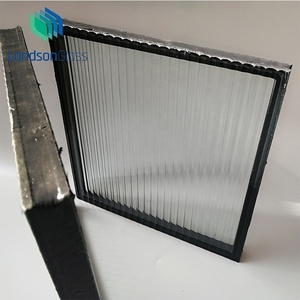
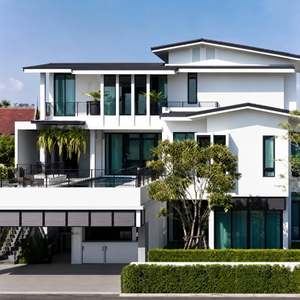
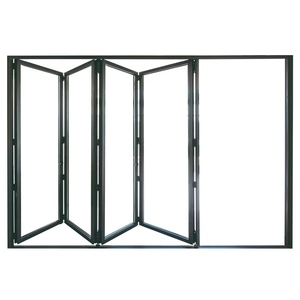
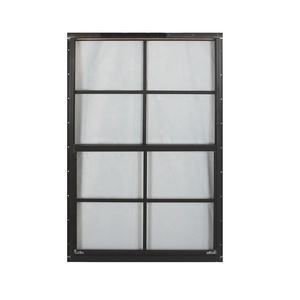
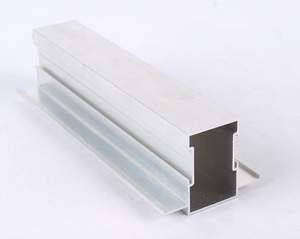
Manufactured strictly to EN 14351-1 and Philippine National Building Code parameters, featuring structural alloy frames, multi-point compression locks, and thermal-acoustic configurations.
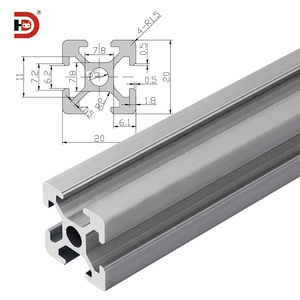
Typhoon Wind Load Rating (EN 12210 Class C5)
Thermal Transmittance (U-Value With Polyamide PA66)
Acoustic Attenuation (STC Metric in Urban Corridors)
Pre-Hung Factory Calibration & Crated Traceability
Standard sliding window configurations common in older Metro Manila developments rely on brush weatherstripping that invariably fails under driving monsoon rains (Habagat). Our CE certified aluminium casement windows utilize heavy-duty continuous EPDM cellular gaskets compressed under multi-point perimeter gear hardware. When the casement handle engages, European-designed eccentric mushroom cams clamp the operable sash flush into the outer structural frame, generating an unbroken compression seal.
Under European Norm EN 12208, our custom assemblies achieve Class 9A and Class E1050 water tightness, withstanding continuous unyielding water spray at test pressures exceeding 1,050 Pascals without internal leakage. Pressure-equalized weep drainage channels ensure that any capillary condensation or heavy deluge driven across Manila Bay's coastal perimeter is discharged through hidden downward sub-sills rather than pooling at the window perimeter.
The Philippines maintains some of the highest commercial and residential electricity tariffs in Southeast Asia. Conventional raw aluminium frames act as thermal bridges, radiating exterior heat directly into conditioned interior living spaces and forcing VRF cooling plants into persistent overload. Our thermally broken casement windows incorporate precision-machined 24mm to 34mm Polyamide (PA66 GF25) thermal insulation bars reinforced with 25% chopped structural fiberglass.
This thermal break completely decouples the outer aluminium extrusion from the interior section. Combined with hollow vacuum insulated glass units (IGU) incorporating double or triple soft-coat Low-E layers and warm-edge silicone structural spacers, the whole fenestration system lowers overall U-values down to 1.3 - 1.5 W/m²K, translating to an immediate 28% to 35% reduction in whole-building cooling HVAC load across high-density developments in Bonifacio Global City (BGC), Makati CBD, and Ortigas Center.
From high-rise residential towers exposed to coastal wind vortexes to private luxury estates, our casement systems are configured specifically for Philippine environmental typography.
In multi-story developments subject to high structural vortex winds and extreme building drift, our outward and inward opening casement frames utilize reinforced structural corner keys crimped with dual-component polyurethane adhesive. Integrated tilt-and-turn hardware options ensure inward cleaning access and safe, micro-gap ventilation resistant to downdraft gusts.
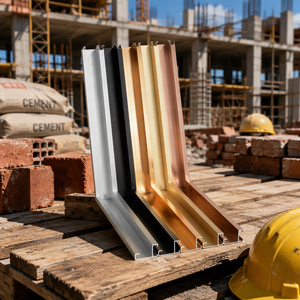
Marine coastal salt fog causes severe pitting and galvanic corrosion in poorly coated aluminium. For installations along Roxas Boulevard, Pasay reclaimed districts, and Batangas waterfront properties, our casement frames receive Qualicoat Class 2 certified architectural powder coating or 25-micron PVDF fluoropolymer finishes guaranteeing zero chalking or peeling under 3,000-hour neutral salt-spray testing.
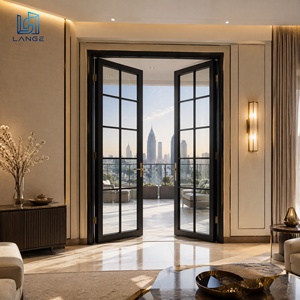
Discerning luxury homeowners demand expansive, ultra-clear visual openings with zero acoustic intrusion from traffic or ambient urban noise. Engineered with multi-layered acoustic PVB laminated glass infills and bespoke French grid mullion profiles, our large-format casements deliver STC ratings above 42 dB while elevating mid-century modern and minimalist aesthetics.
Quantitative testing indices audited under international laboratory protocols.
| Performance Vector | CE Certified Casement Window (FAM System) | Conventional Manila Sliding Series | Standard Local 798 / 9000 Series |
|---|---|---|---|
| Structural Wind Load (EN 12210) | Class C5 (≥ 4,500 Pa / Typhoon Cat. 5) | Class C2 (approx. 1,600 Pa) | Unverified (approx. 1,200 Pa) |
| Water Tightness (EN 12208) | Class E1050 (Zero penetration at 1,050 Pa) | Class 4A (150 Pa - track water leaks) | Class 2A (50 Pa - unsealed weep slots) |
| Thermal Insulation (U-Factor) | 1.4 - 1.8 W/m²K (Polyamide Barrier + IGU) | 5.2 - 5.8 W/m²K (Single pane) | 4.8 - 5.5 W/m²K (Single 6mm glass) |
| Acoustic Isolation (ASTM E90) | STC 38 - 44 dB (Dual EPDM + Laminated) | STC 24 - 28 dB (Brush leakage) | STC 22 - 25 dB |
| Hardware & Lock Security | Multi-Point Mushroom Cam Perimeter Drive | Single crescent latch (Vulnerable) | Single center touch lock |
| Coating Warranty & Durability | Qualicoat Class 2 / PVDF 25-Year Marine | Standard commercial powder (3-5 yrs) | Basic mill / anodized (oxidizes rapidly) |
Architectural design in the Philippines is experiencing a definitive pivot away from cheap, thin-gauge sliding frames. Driven by updated mandates from the Philippine Green Building Code (GB Code) and certifications such as BERDE and LEED, developers are actively specifying airtight casement systems that significantly curb conditioned cooling loss.
Furthermore, the recurring intensity of typhoons entering the Philippine Area of Responsibility (PAR) has led structural engineers across Cavite, Pampanga, and Bulacan industrial-commercial corridors to demand authenticated factory test reports detailing glass deflection, anchor load stresses, and fastener corrosion guarantees.
A chronic source of fenestration failure across Metro Manila construction sites is the reliance on informal jobsite chopping and manual pop-riveting. This introduces dimensional skewing, unsealed screw penetrations, and compromised gasket corners.
Every FAM Aluminium casement unit is engineered in an automated ISO-certified fabrication facility. Extrusions are cut on double-head precision miter saws, pneumatic corner crimping machines mechanically bond structural corners with cold-flow corner cleats, and multi-point locking gear is pre-calibrated under digital laser jigs. Openings arrive on site in custom sea-freight crates, pre-hung and verified against structural shop drawings.
Full CE certification compliance under EN 14351-1. Every profile series, reinforcement rib, glass make-up, and gasket package is backed by structural deflection and wind load documentation matching client CAD schedules.
Extruded from virgin 6063-T5 and 6061-T6 architectural aluminium alloys. Available in thermal break and heavy-duty structural profiles with customized wall thicknesses up to 3.0mm for oversized hurricane-impact leaves.
Full factory integration of double and triple insulated glass units (IGU), vacuum glazing, acoustic PVB laminates, and low-emissivity coatings tested under rigorous cyclic pressure and thermal shock chambers.
Complete traceability from incoming alloy billet spectral verification to in-process robotic corner crimping inspection and 100% pre-packing hardware functional testing. Photographic verification logs shared before dispatch.
Protected by scratch-resistant protective films, heavy corner guards, impact foam cushions, and fumigated steel-reinforced wooden crates. Every sash is marked with its exact opening reference tag for rapid site distribution.
Comprehensive step-by-step structural installation manuals, embedded anchor calculation sheets, and live technical remote engineering sessions for local facade installation teams across Luzon, Visayas, and Mindanao.
Direct technical answers addressing structural codes, shipping port protocols, and tropical fenestration parameters.