Hanoi experiences extreme seasonal shifts ranging from sweltering, solar-saturated summers with temperatures exceeding 40°C to the notorious damp "nồm ẩm" spring season, where indoor and outdoor relative humidity perpetually hovers between 90% and 98%. Ordinary façade systems face rapid galvanic degradation, coating delamination, and microbial mildew colonization under these atmospheric conditions.
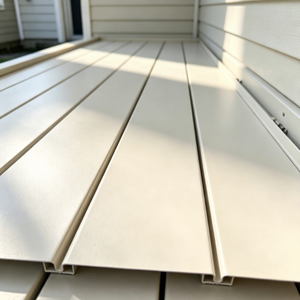
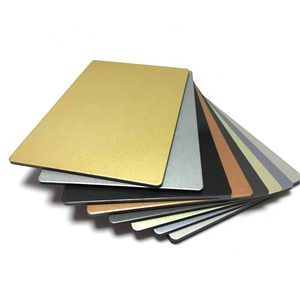
Our factory-engineered aluminium cladding systems integrate multi-layer PVDF resin coatings formulated with 70% Polyvinylidene Fluoride (Kynar 500 / Hylar 5000). This molecular matrix repels atmospheric airborne moisture and soot deposition caused by heavy urban traffic in districts like Cau Giay, Nam Tu Liem, and Ba Dinh. The inert fluoropolymer surface prevents moisture capillary absorption, rendering building façades self-cleaning during torrential downpours.
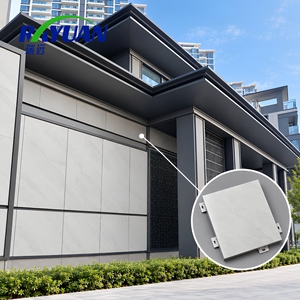
Additionally, projects in high-wind corridors near West Lake (Tay Ho) or emerging suburban high-rise clusters require structural deflection resistance against typhoon gust pressures reaching 120–140 km/h. Our solid aluminium and honeycomb panels undergo FEA finite element analysis to ensure subframe anchors and anchor brackets prevent joint fatigue and structural fluttering.
Subtropical Environmental Resistances
Thermal Expansion Compensation: Aluminium alloys possess a coefficient of thermal expansion of approximately 2.4 mm/m/100°C. Our floating anchor bracket subframe absorbs seasonal thermal expansion without oil-canning.
Antimicrobial & Anti-Mildew Matrix: Inorganic fluorocarbon layers resist organic grime accumulation, eliminating the unsightly black moss and green mould commonly seen on rendered masonry across Hanoi.
Seismic & Wind Pressure Certified: Engineered to withstand Northern Vietnam wind zones (Zone II and Zone III according to QCVN 02:2022/BXD) with safety deflection margins exceeding 1/180 span.